
TSI supplies precision instrumentation tubing for process measurement, control, analyser and sampling applications across oil and gas, refining and petrochemical facilities. Material, size and pressure rating are selected according to the specific service conditions — see technical basis below.
Instrumentation tubing provides the pressure, impulse, sampling, pneumatic, hydraulic and analyser connections between a process and the instruments used to measure and control it. In oil and gas, refining, petrochemical, power and industrial process facilities, tubing integrity is essential because a small-bore connection can form part of a pressurised process boundary.
Material selection starts with the actual service conditions. 316/316L stainless steel is widely used for general instrumentation duties, while duplex, super duplex, high-molybdenum stainless steels and nickel alloys may be selected where chloride exposure, seawater, temperature, chemical composition or other corrosion mechanisms require a higher level of material resistance. Material selection should be based on the complete service environment rather than alloy grade alone.
Instrumentation tubing may be supplied in seamless or welded-and-drawn constructions and in straight lengths or coils, subject to the material, manufacturing route and application. Outside diameter and wall thickness are selected together with material condition to meet the required pressure, temperature, mechanical and installation requirements. There is no universal pressure rating for a tubing size without considering the complete tube specification and the applicable connection system.
Common technical references include ASTM tubing specifications and ASME B31.3 for process piping design where applicable. The applicable material specification controls requirements such as chemical composition, mechanical properties, dimensions and manufacturing condition. Compatibility between the tubing and the selected tube fitting system is also essential. Correct tube hardness, surface condition, dimensional accuracy and installation procedure are important to achieving a reliable mechanical seal.
Inspection and quality verification may include dimensional inspection, material identification and traceability, surface examination, hardness verification, non-destructive examination and pressure testing where specified by the applicable product standard, purchase specification or project requirements. Welded tubing may require additional weld-integrity examination depending on the manufacturing specification.
Service life is determined by the actual operating environment and installation rather than by tubing material alone. Corrosion, temperature, pressure cycling, vibration, mechanical damage, incorrect installation and changes in process conditions can all influence long-term integrity. Proper material selection, controlled installation, traceability and appropriate inspection therefore form part of the overall reliability strategy.
TSI supplies instrumentation tubing for process measurement, control, analyser, sampling and hydraulic or pneumatic instrumentation applications across oil and gas, refining, petrochemical, offshore, power and industrial facilities. Selection is made according to the specified material, dimensions, pressure, temperature, fluid service, manufacturing route and tube fitting system.
Product Range
17 items. Sizes, wall thickness and connection system confirmed at enquiry unless stated.
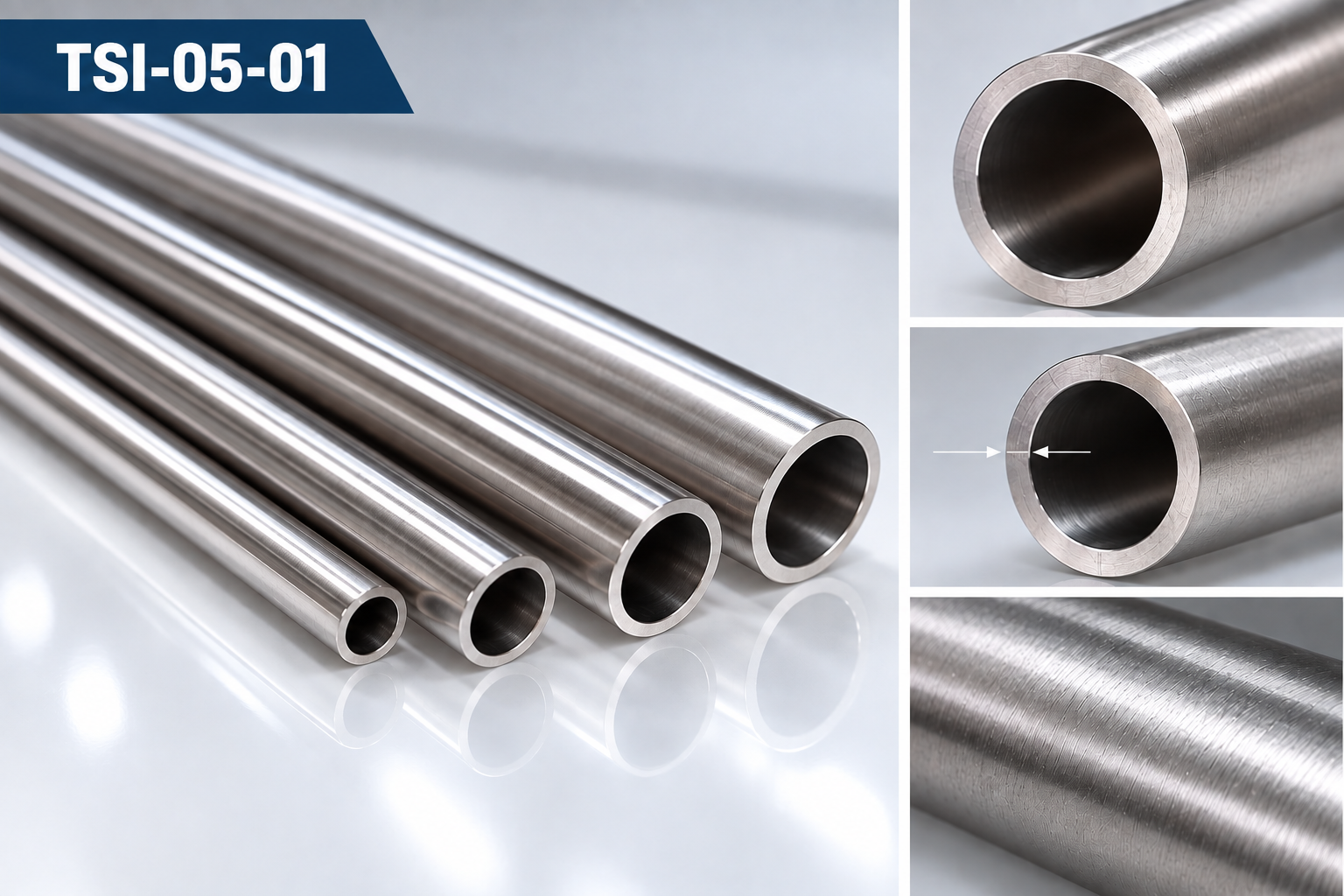
General-purpose austenitic stainless steel tubing offering a dependable balance of strength and corrosion resistance across a broad range of process conditions.
Sourced to order, subject to specification and enquiry — exact size, wall thickness and connection system confirmed at RFQ.
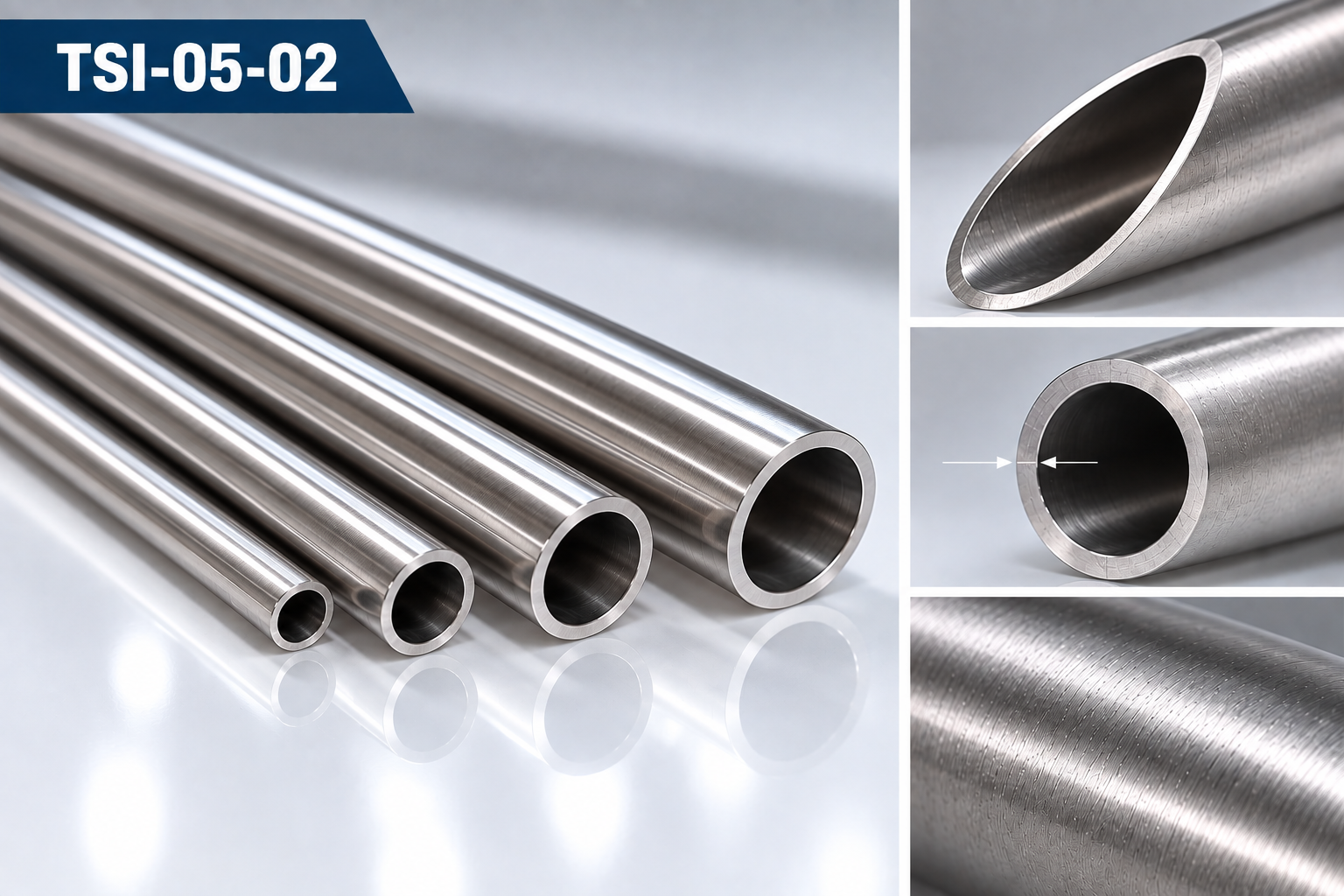
Low-carbon variant of 316 stainless steel, offering improved resistance to sensitisation during welding for the same range of instrumentation duties.
Sourced to order, subject to specification and enquiry — exact size, wall thickness and connection system confirmed at RFQ.
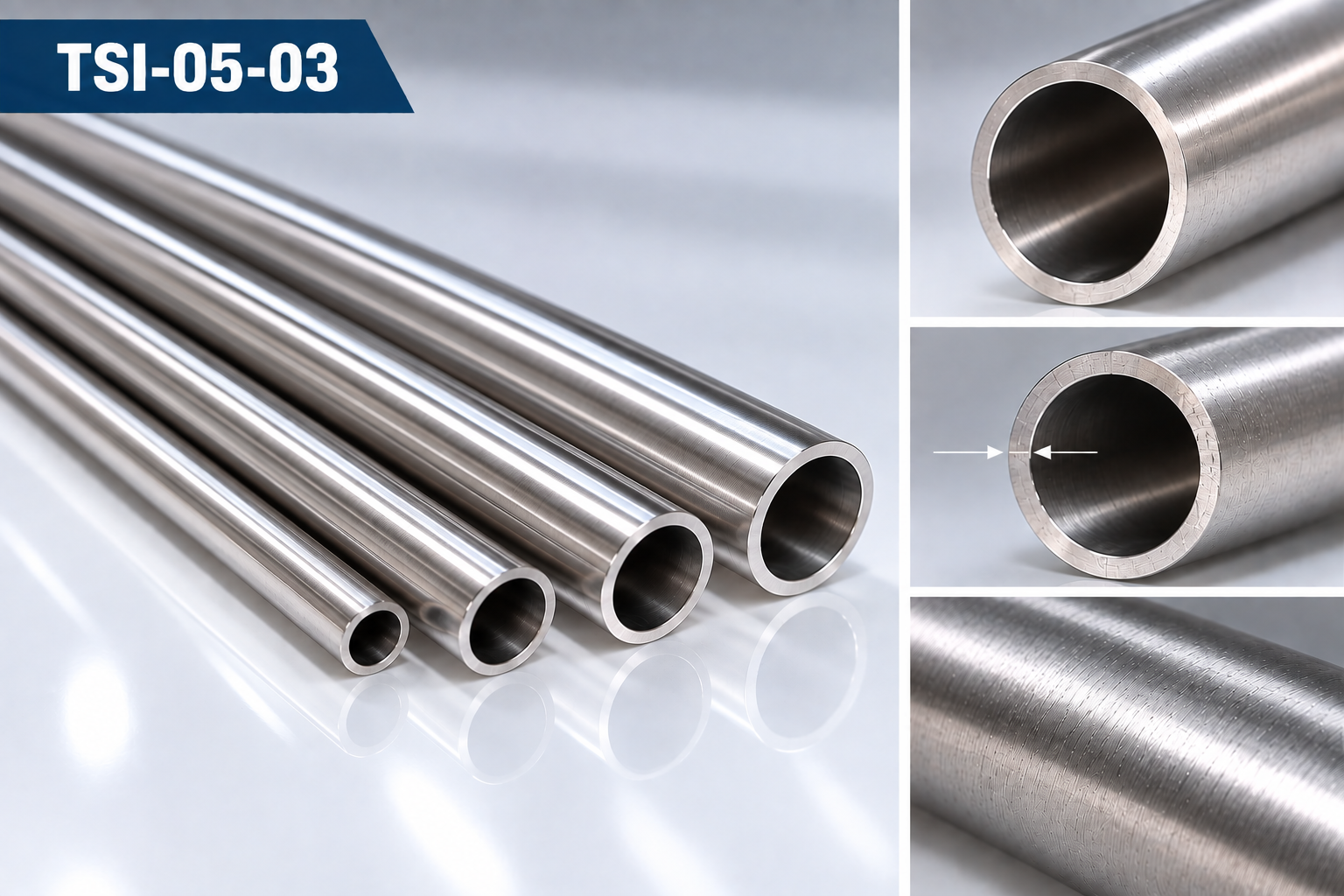
General-service austenitic stainless steel tubing for less chloride-sensitive applications.
Sourced to order, subject to specification and enquiry — exact size, wall thickness and connection system confirmed at RFQ.
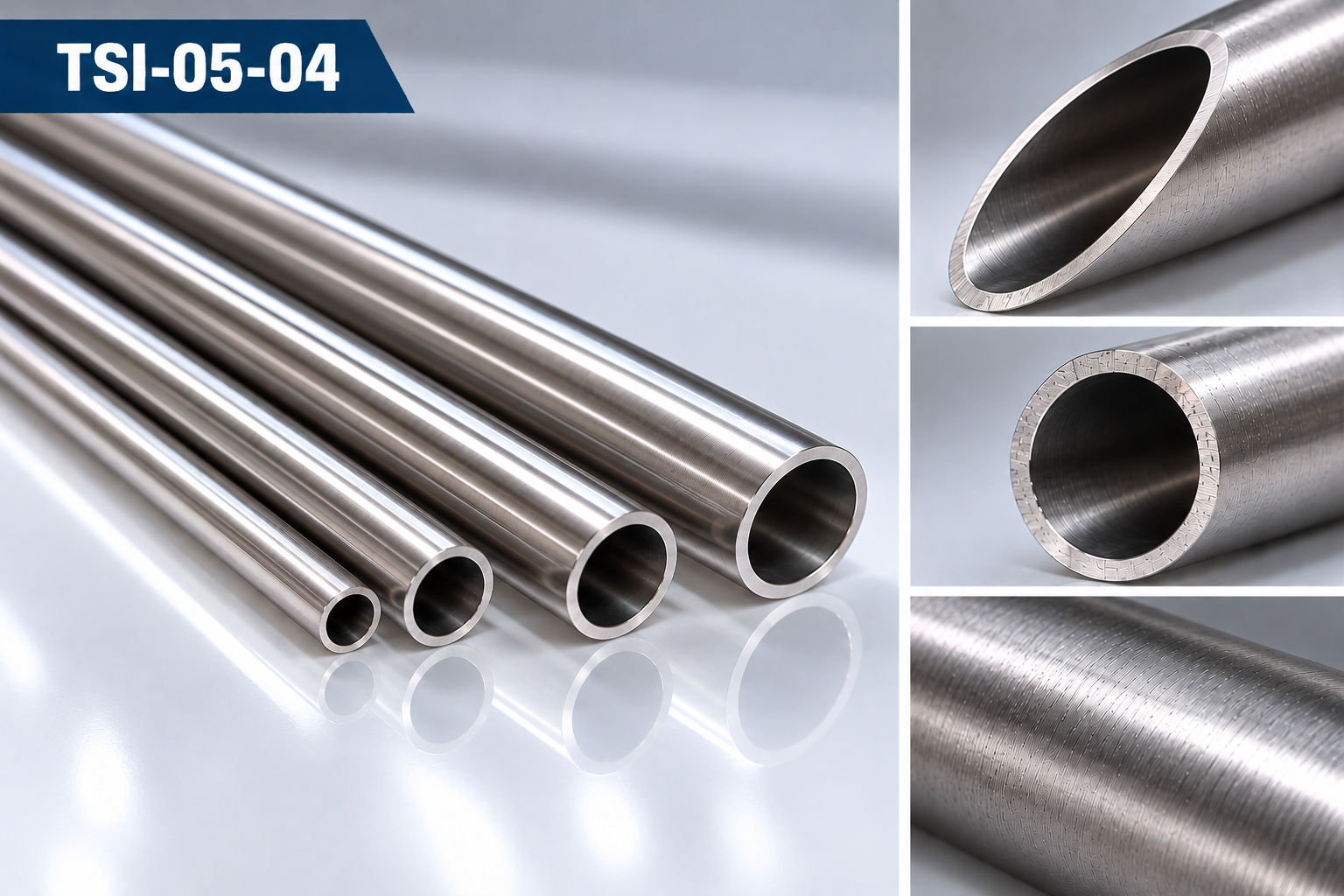
Low-carbon variant of 304 stainless steel for improved weldability.
Sourced to order, subject to specification and enquiry — exact size, wall thickness and connection system confirmed at RFQ.
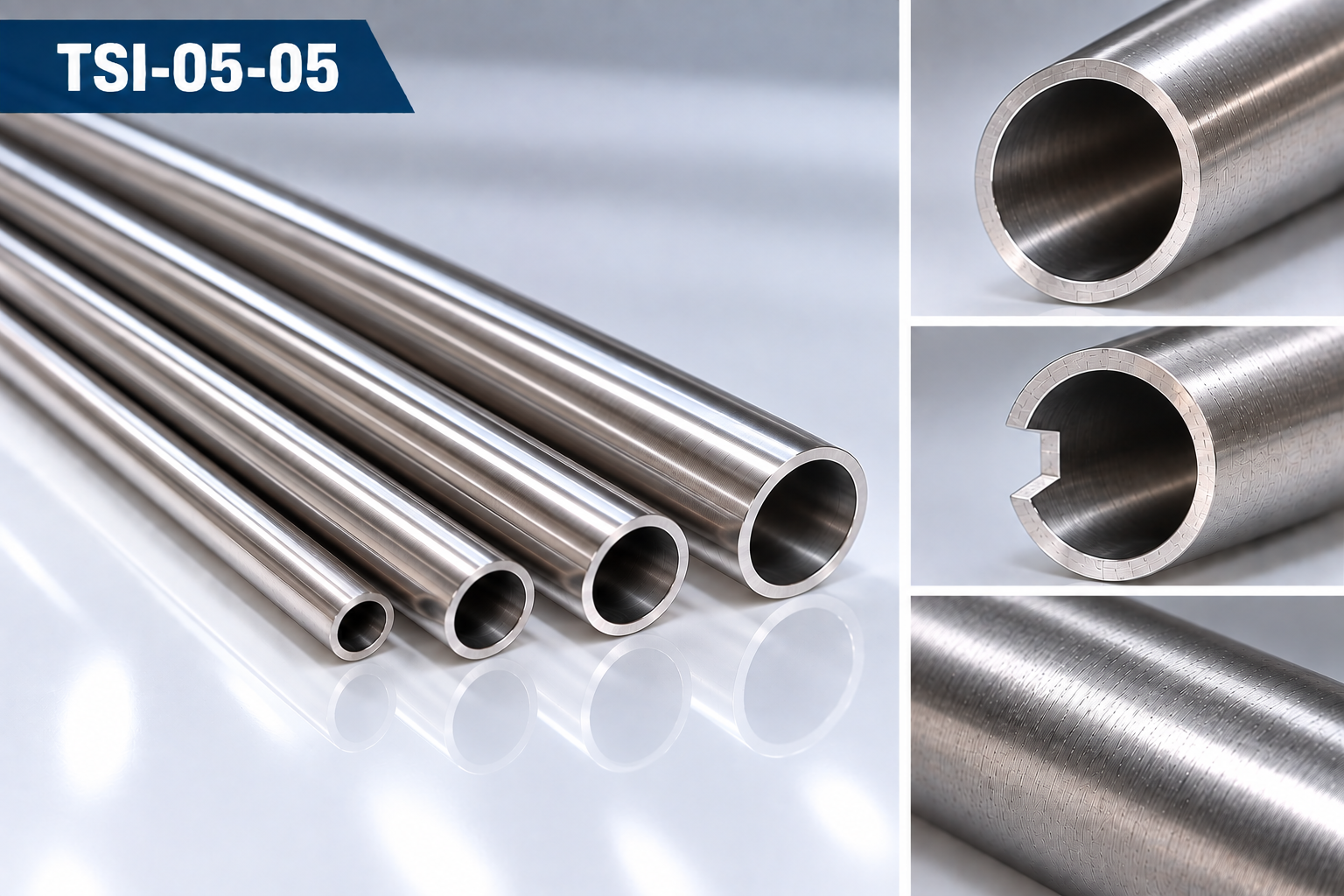
Titanium-stabilised austenitic stainless steel, selected for elevated-temperature service where resistance to carbide precipitation is required.
Sourced to order, subject to specification and enquiry — exact size, wall thickness and connection system confirmed at RFQ.
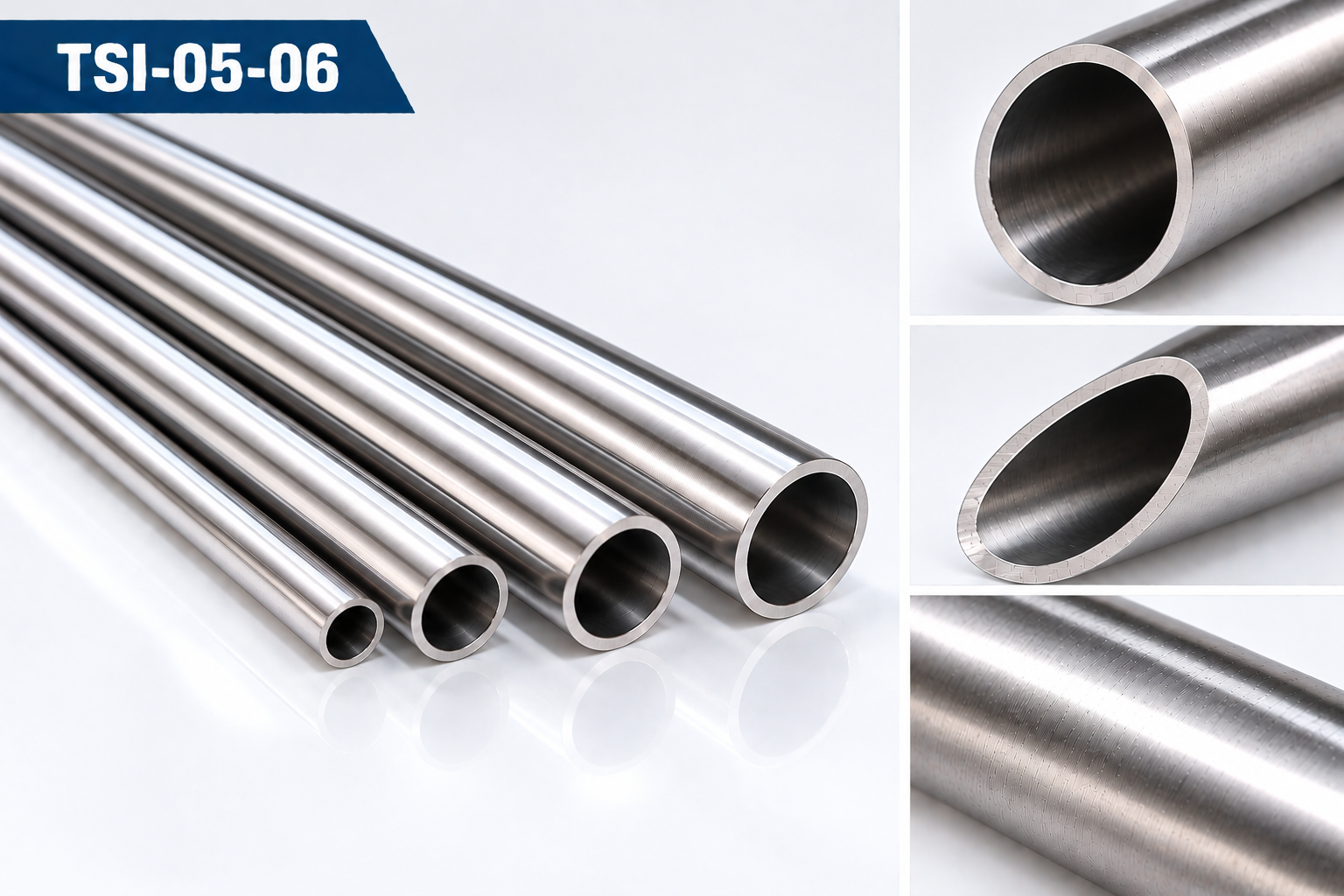
Niobium-stabilised austenitic stainless steel, offering elevated-temperature stabilisation as an alternative to 321 grade.
Sourced to order, subject to specification and enquiry — exact size, wall thickness and connection system confirmed at RFQ.
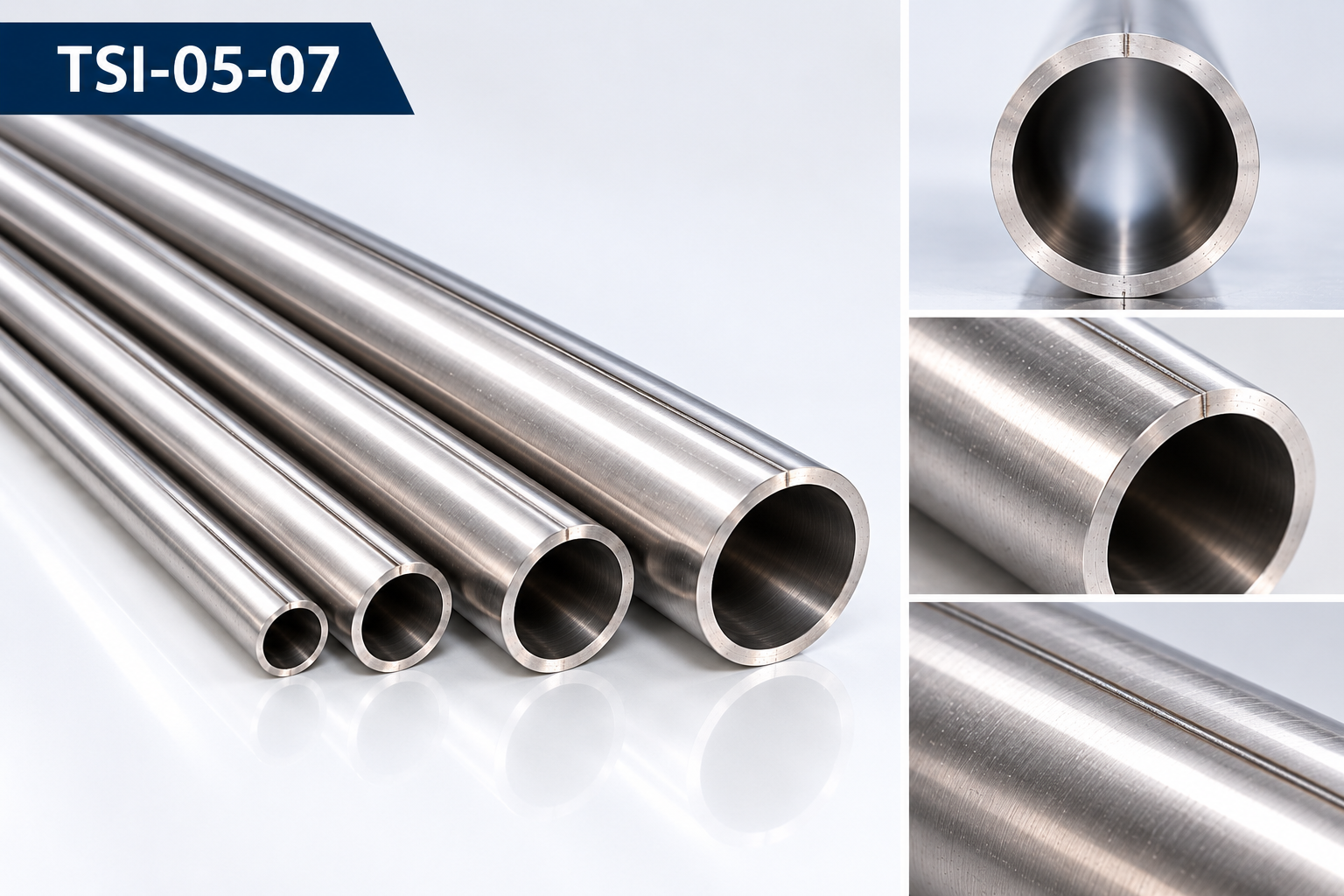
Welded-and-drawn construction, an alternative manufacturing route to seamless tube for general instrumentation duty.
Sourced to order, subject to specification and enquiry — exact size, wall thickness and connection system confirmed at RFQ.
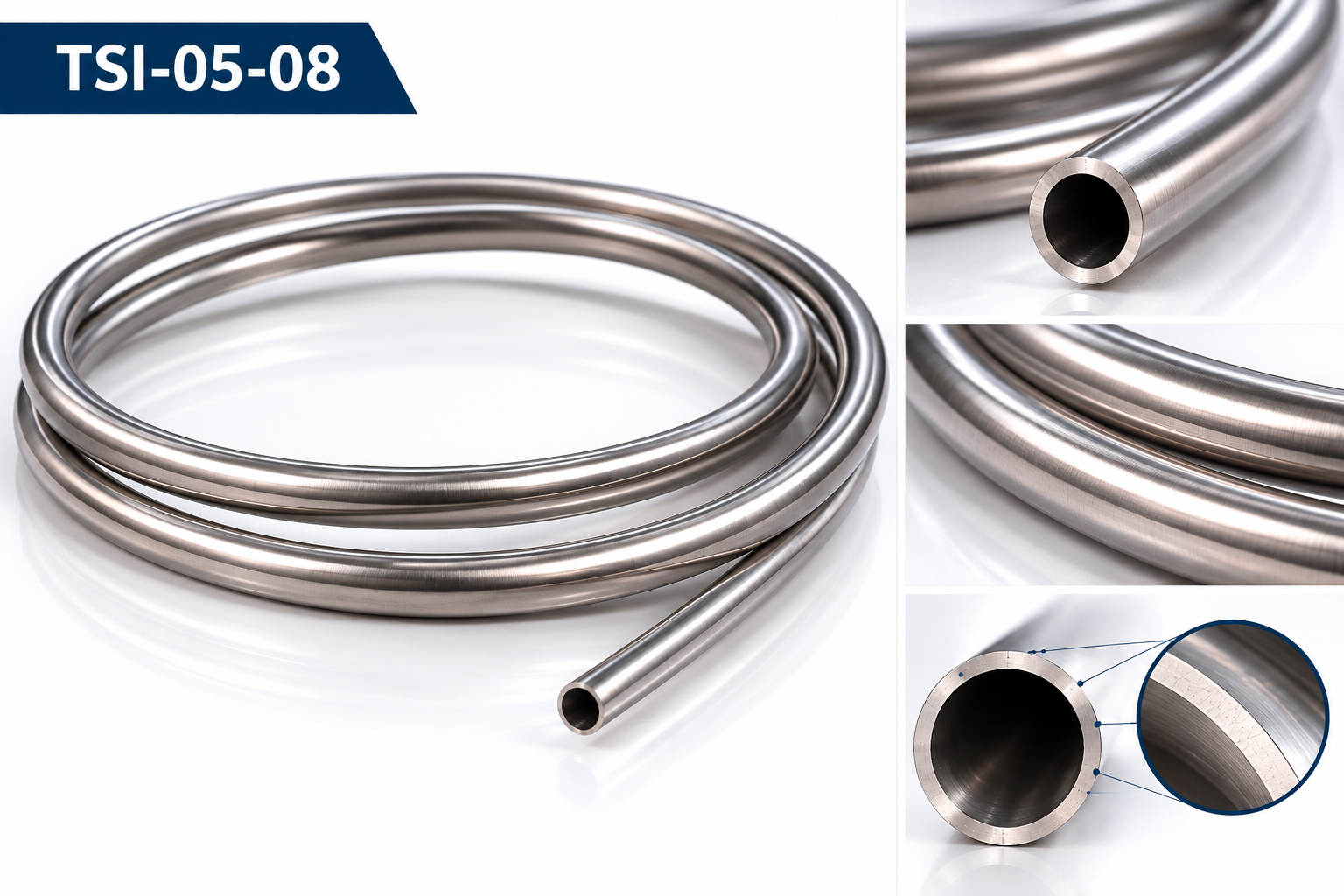
Continuous coiled lengths for installations where long unjointed runs are preferred over straight lengths.
Sourced to order, subject to specification and enquiry — exact size, wall thickness and connection system confirmed at RFQ.
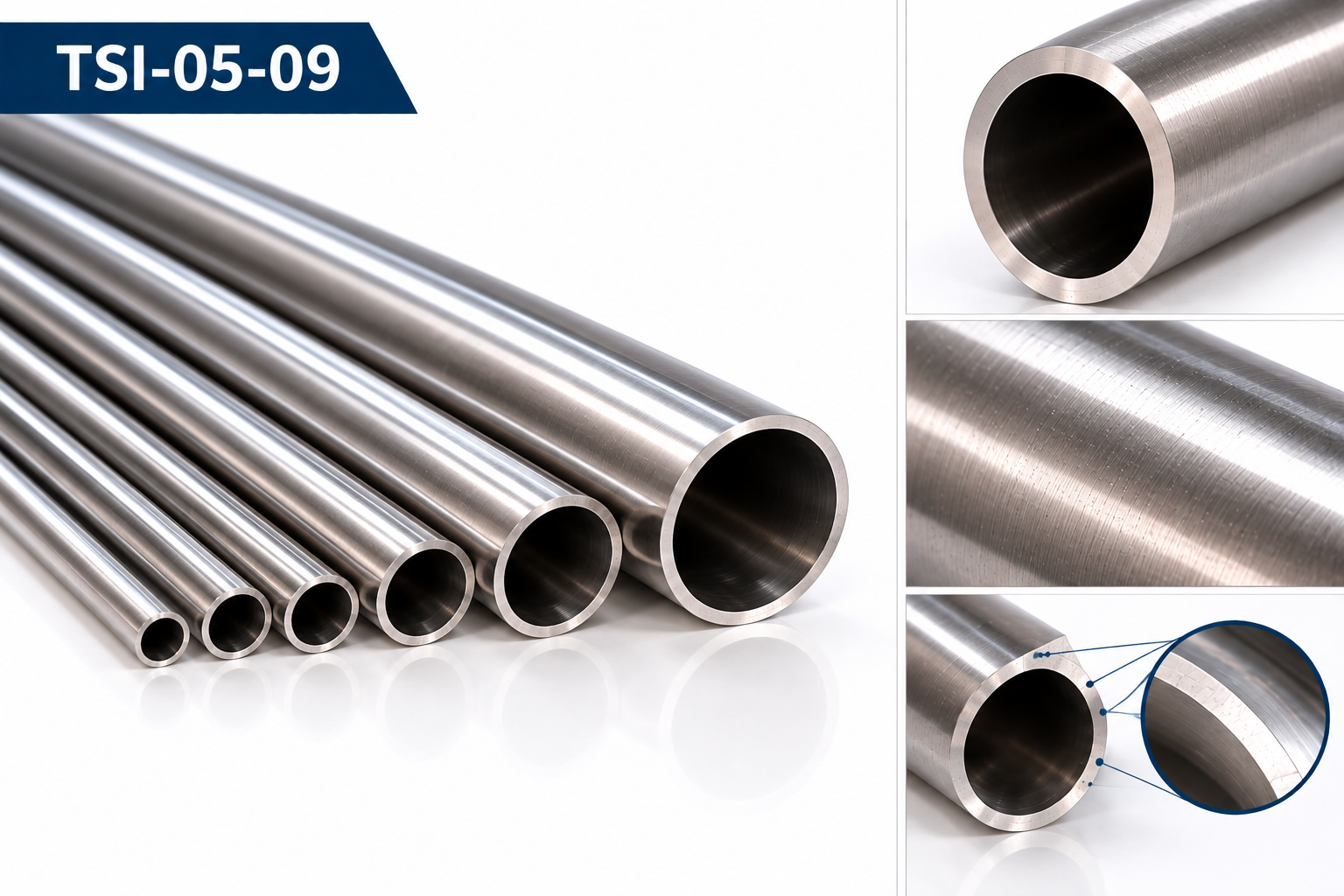
Duplex stainless steel offering increased resistance to chloride pitting and stress-corrosion cracking over standard austenitic grades.
Sourced to order, subject to specification and enquiry — exact size, wall thickness and connection system confirmed at RFQ.
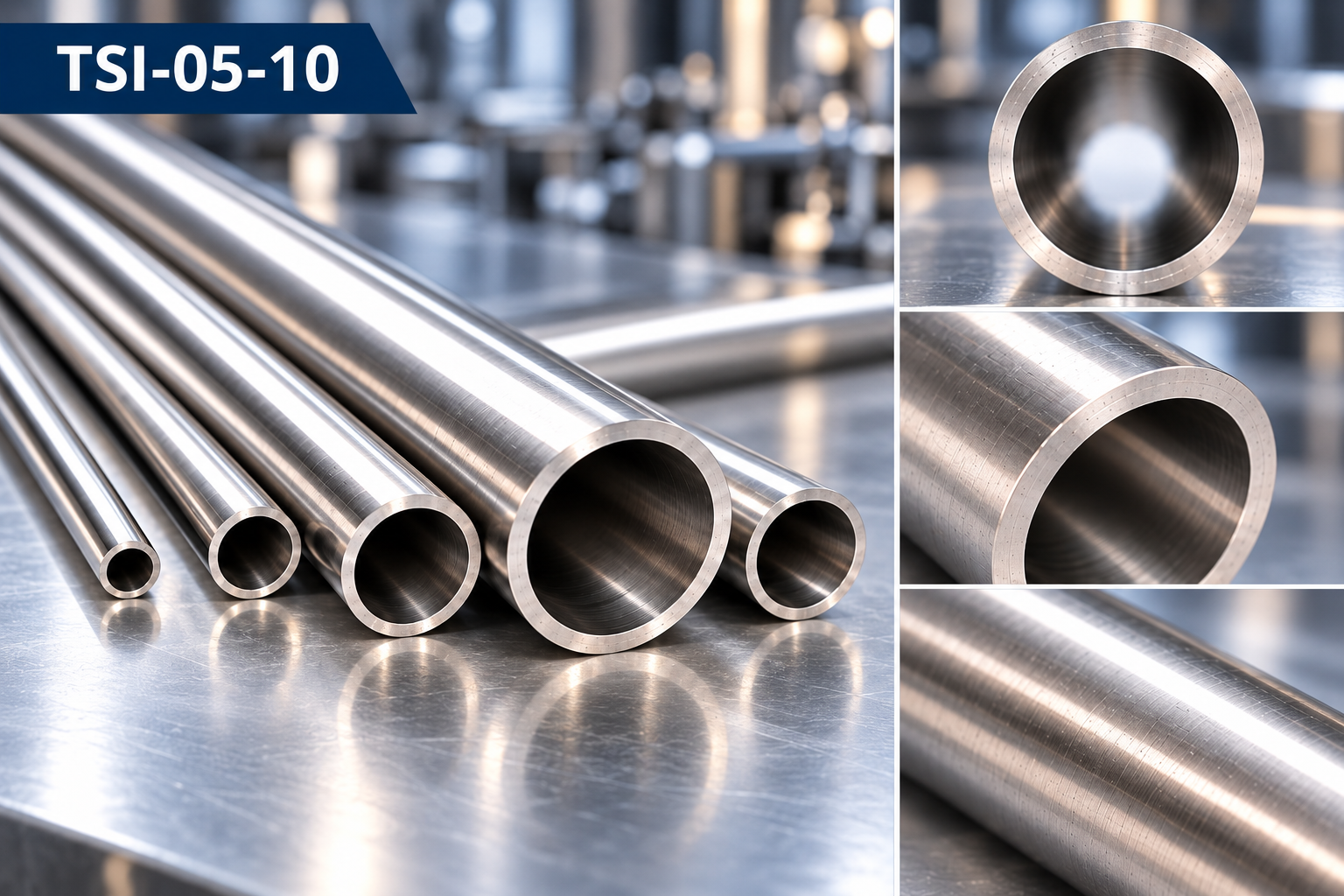
Super duplex stainless steel for higher-chloride and more demanding corrosive service than standard duplex grade.
Sourced to order, subject to specification and enquiry — exact size, wall thickness and connection system confirmed at RFQ.
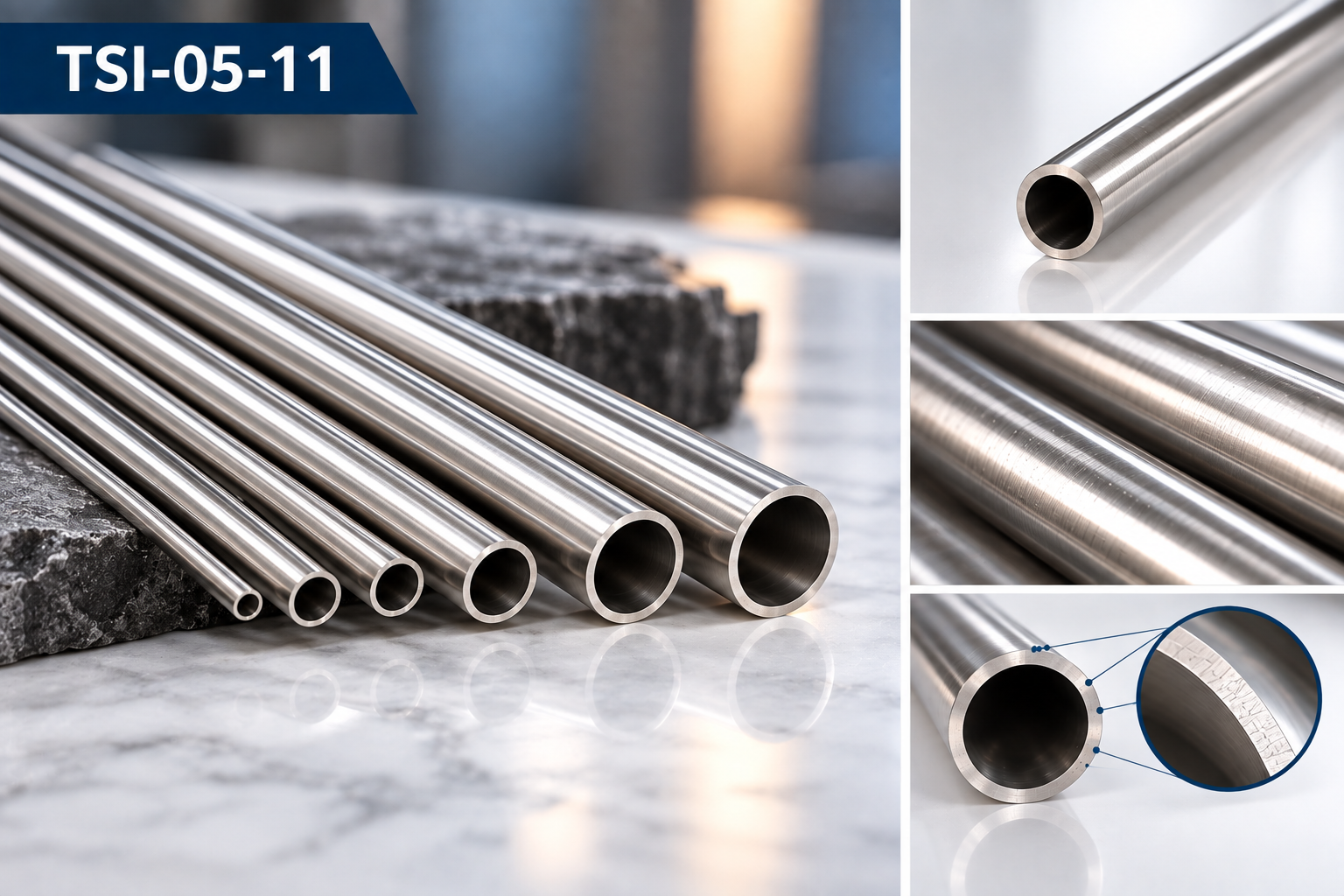
High-molybdenum super-austenitic stainless steel for aggressive chloride-bearing service.
Sourced to order, subject to specification and enquiry — exact size, wall thickness and connection system confirmed at RFQ.
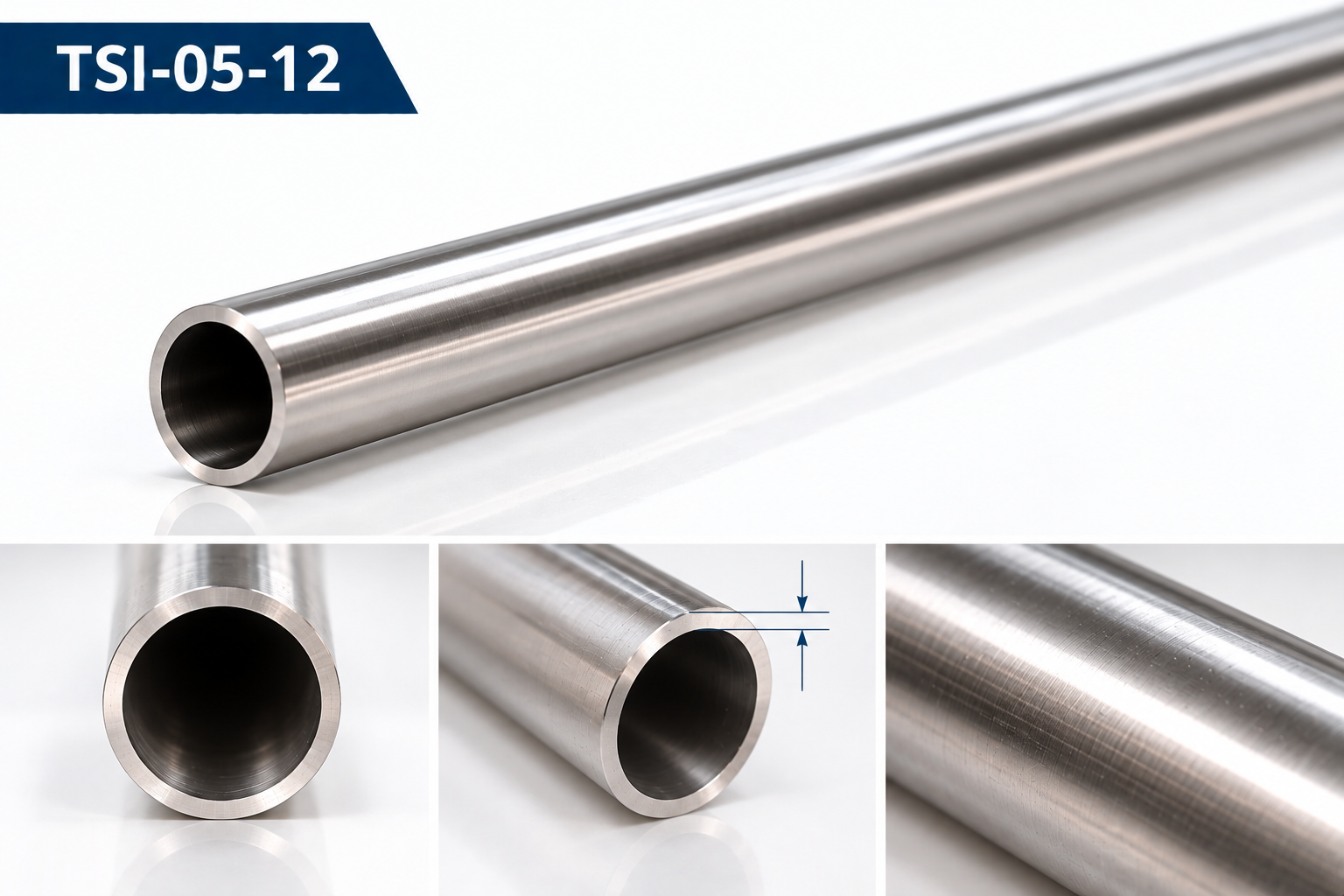
Nickel-chromium-molybdenum alloy for a wide service-temperature range and demanding corrosion conditions.
Sourced to order, subject to specification and enquiry — exact size, wall thickness and connection system confirmed at RFQ.
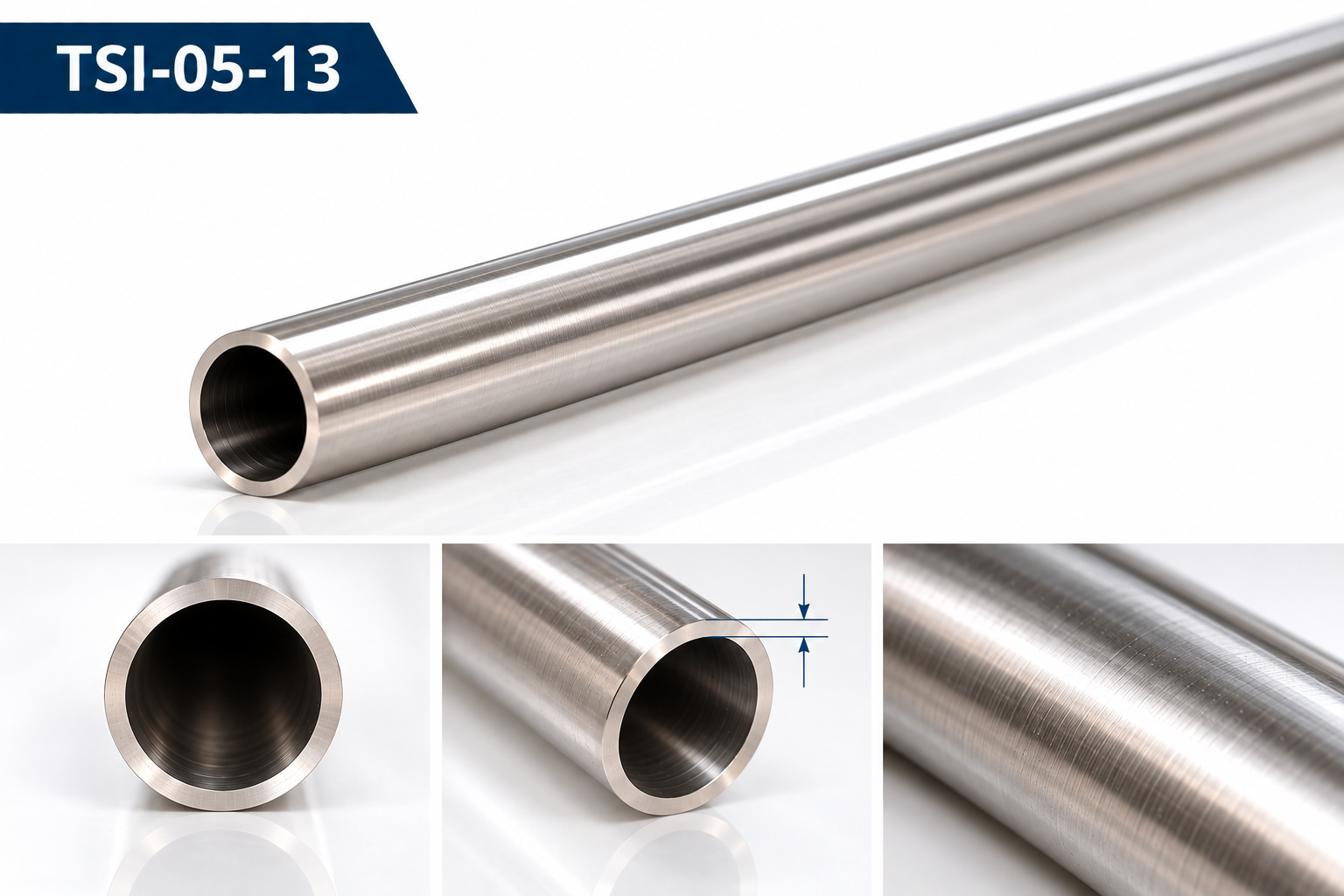
Nickel-iron-chromium alloy commonly specified for chemical injection and similarly corrosive process duty.
Sourced to order, subject to specification and enquiry — exact size, wall thickness and connection system confirmed at RFQ.
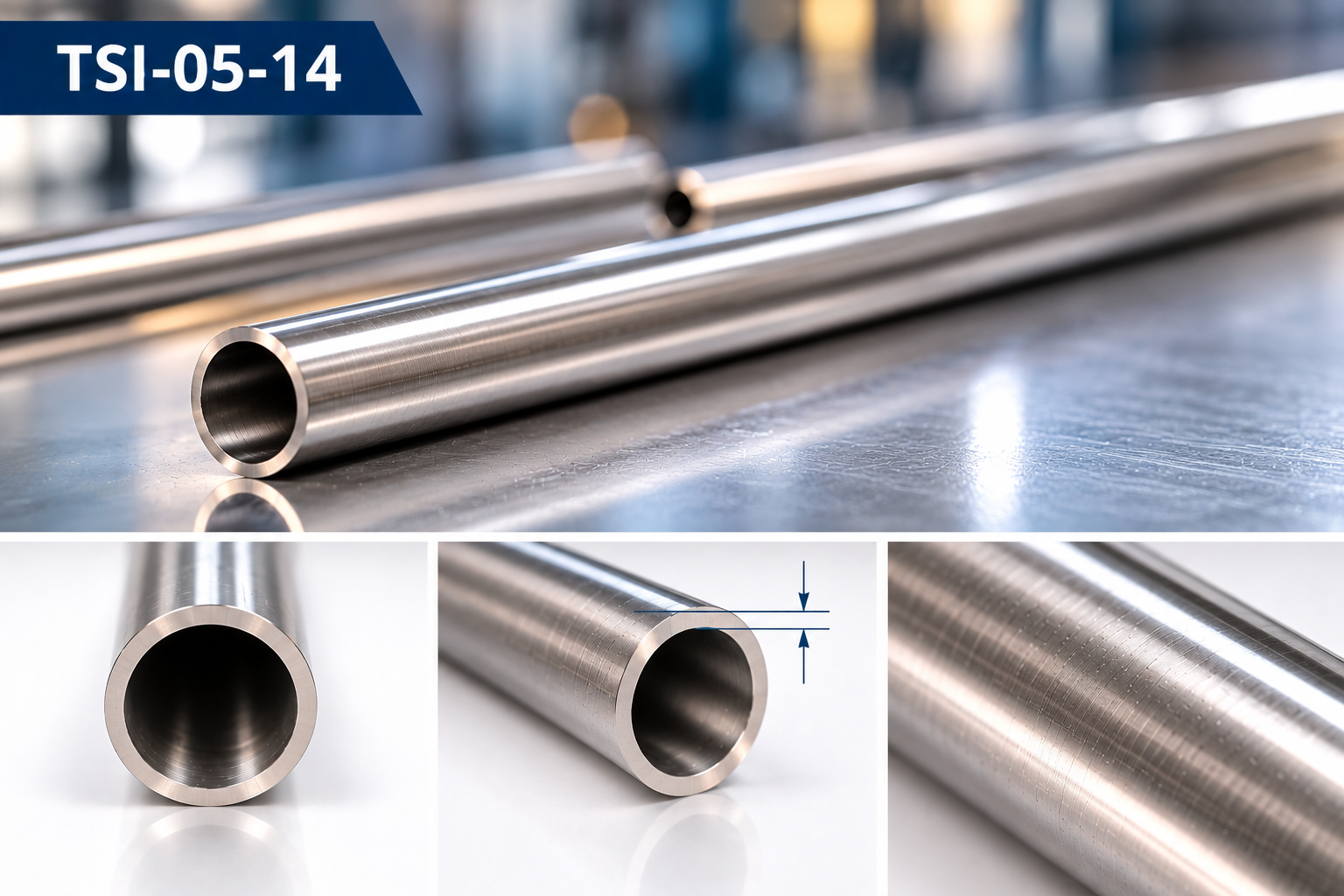
Nickel-molybdenum-chromium alloy for severe reducing and oxidising corrosive environments.
Sourced to order, subject to specification and enquiry — exact size, wall thickness and connection system confirmed at RFQ.
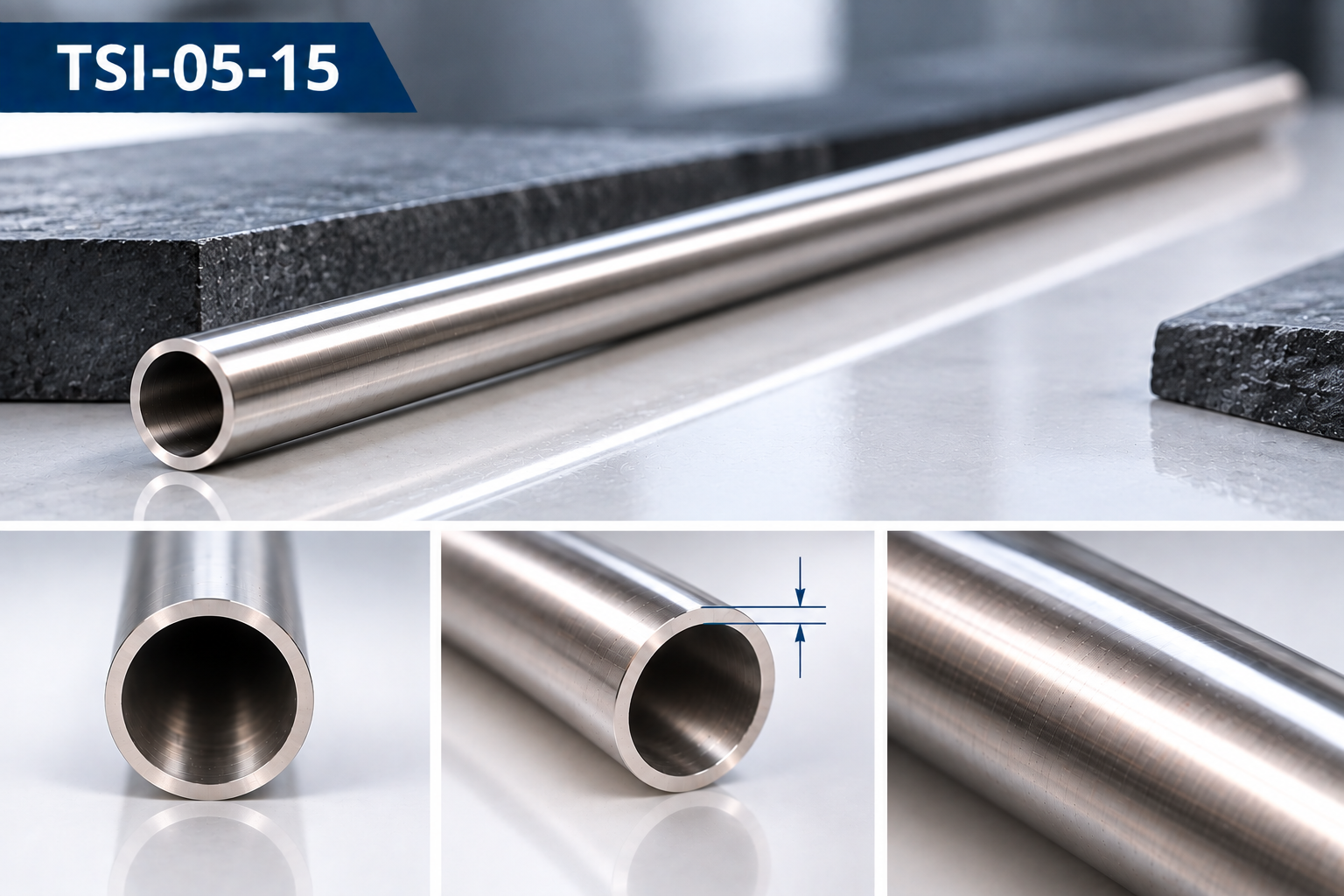
Nickel-copper alloy with established resistance to seawater and many acidic and alkaline media.
Sourced to order, subject to specification and enquiry — exact size, wall thickness and connection system confirmed at RFQ.
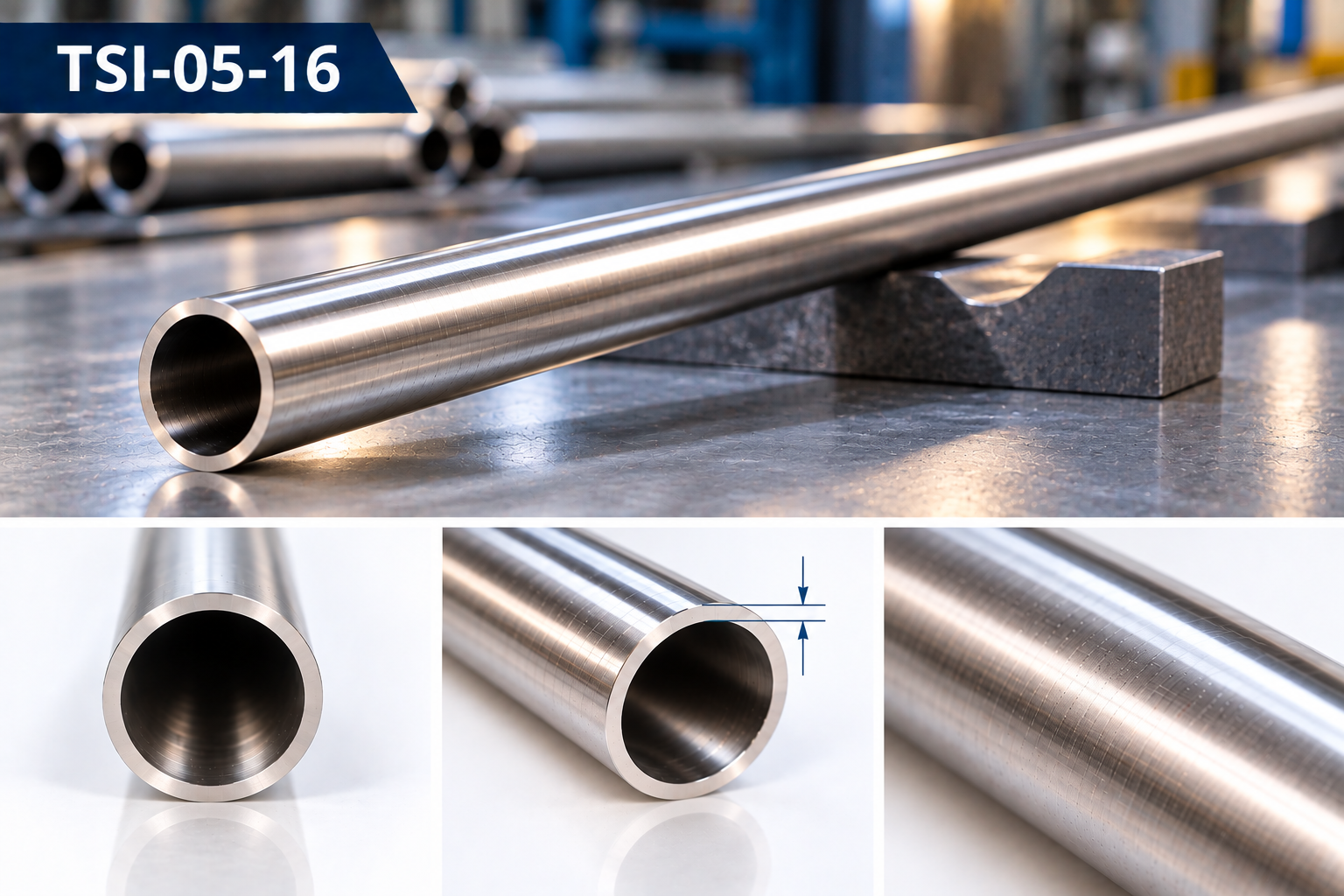
Commercially pure titanium offering excellent seawater and chloride resistance at moderate strength.
Sourced to order, subject to specification and enquiry — exact size, wall thickness and connection system confirmed at RFQ.
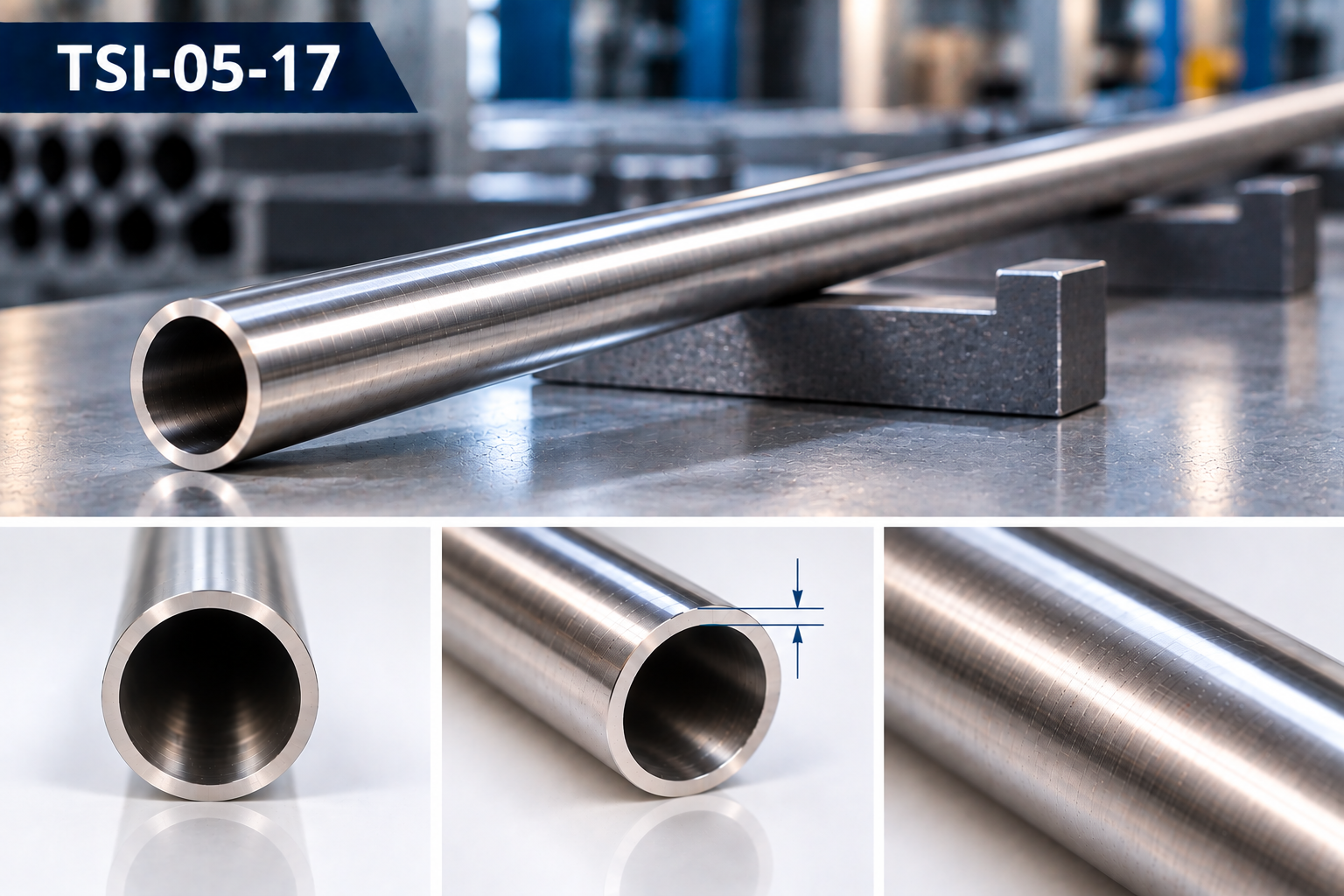
General-purpose carbon steel tubing for non-corrosive hydrocarbon and utility instrumentation service.
Sourced to order, subject to specification and enquiry — exact size, wall thickness and connection system confirmed at RFQ.